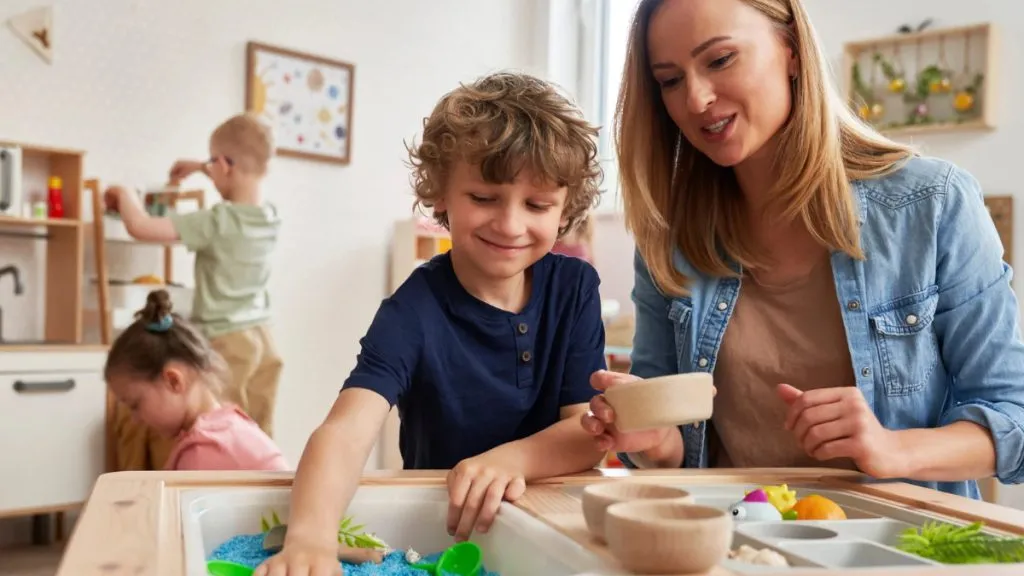
The best sensory activities for toddlers are simple, hands-on games that let a child touch, see, hear, smell, and taste the world in a safe way.
Sensory bins, water play, playdough, and sound games all fit the bill, and most use items already sitting in your kitchen.
This guide shares 20 sensory activities for toddlers, grouped by the sense each one engages, so you can pick what fits your home and your child’s mood.
Every idea tells you what you need and how to play. Read the safety section first, because toddlers still explore with their mouths.
Safety Basics Before You Start
Before you try any of these sensory play activities, remember that toddlers explore with their mouths, so safety comes first.
The American Academy of Pediatrics lists common choking hazards for babies and children, including:
- Marbles
- Coins
- Small balls
- Balloons
- Toys with small parts
Skip small toys in your sensory bins, and choose pieces too large to fit in a toddler’s mouth, even when squeezed.
Food needs the same care. The AAP advises cutting food into pieces no larger than half an inch, and it says to keep high-risk foods, such as whole grapes, nuts, popcorn, and chunks of cheese, away from kids until age 4 or older, depending on their development.
Stay within arm’s reach during every activity, especially around water, and check each material before play.
Put away anything that could end up in a mouth, and swap in a safer option whenever a step feels risky for your child.
Touch and Texture Sensory Activities
Touch is the easiest sense to start with, so these seven sensory activities give your toddler different textures to squish, pour, and explore. Together they offer rich sensory experiences without any special equipment.
1. Sensory Bins
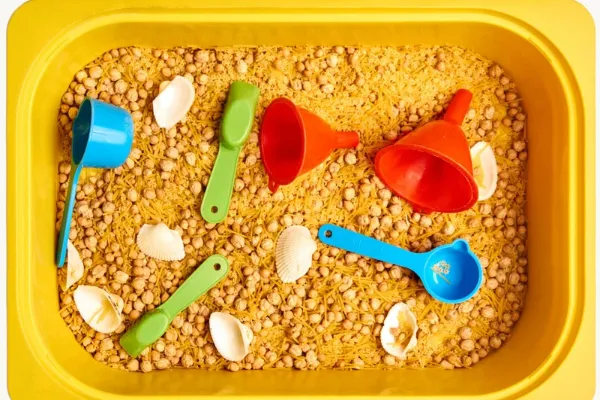
A sensory bin is a shallow tub filled with a base material for scooping and pouring.
Rolled oats and cooked, cooled spaghetti both work well and are safe if tasted, so add measuring cups and a large spoon and sit with your toddler to name what they feel.
Soft, bumpy, and slippery are good words to start with.
Once your child loves the bin, move it onto a low sensory table so they can stand and play, or try sensory bags for a lower-mess version, such as paint sealed inside a zip-top bag and taped to a table.
2. Water Play
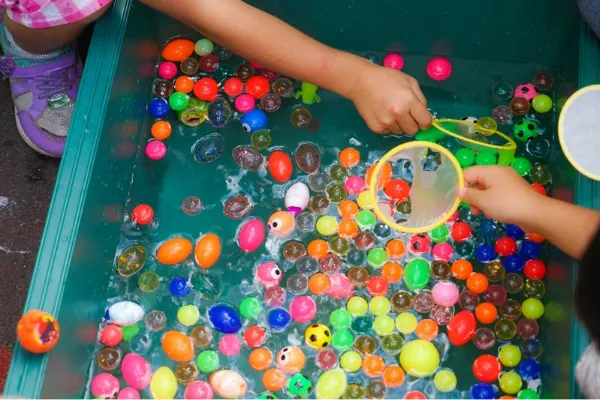
Fill a basin with a few inches of warm water and add cups, sponges, and a turkey baster.
A drop of food coloring turns the water into a color lesson, pouring from cup to cup builds hand eye coordination, and squeezing the baster strengthens little hands.
Never leave your toddler alone near water, even in a shallow basin, and keep other kids from crowding around it.
3. Playdough
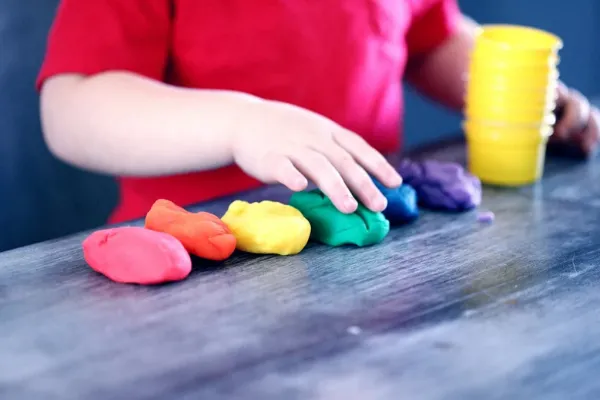
Playdough is one of the best ways to build fine motor skills, because pinching, rolling, and poking all work the small muscles in your toddler’s hands.
You can make a soft batch from simple ingredients: 1 cup flour, 1/2 cup salt, 2 teaspoons cream of tartar, 1 tablespoon oil, 1 cup water, and a few drops of food coloring.
Stir over medium heat until the dough pulls away from the pan, then let it cool, and store leftover play dough in an airtight container.
4. Finger Painting
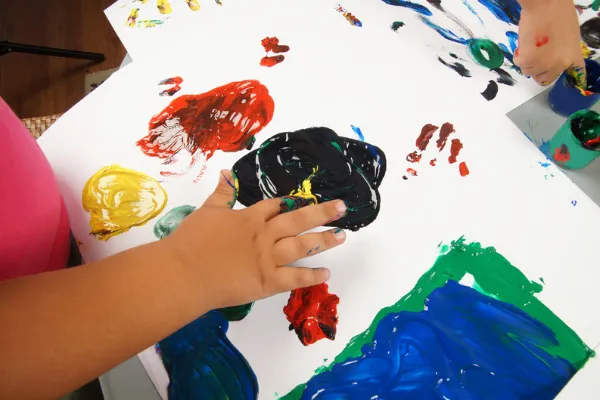
Tape a large sheet of paper to a tray or table, and mix plain yogurt with a few drops of food coloring to make taste-safe paint. Let your toddler swirl, dab, and smear with whole hands to practice hand skills.
The process matters more than the picture, since open-ended art builds creativity and shows kids that their own choices can make something new.
5. Shaving Cream Play
Spray a layer of plain foam onto a cookie sheet, and let your toddler draw lines, make handprints, or push a large toy car through it. Mix in a drop of food coloring for a bright swirl.
Shaving cream is not food, so keep it away from your child’s eyes and mouth, and wipe hands when play ends, since kids often rub their eyes.
6. Cloud Dough
Cloud dough feels like soft, creamy clay that holds its shape when squeezed. Mix two cups of cornstarch with one cup of hair conditioner until it forms a smooth, moldable dough, then serve it in a bin with scoops and cups.
Neither ingredient is safe to eat, so watch for mouthing, especially with kids who still taste everything. This sensory bin works well for a quiet afternoon.
7. Texture Walk
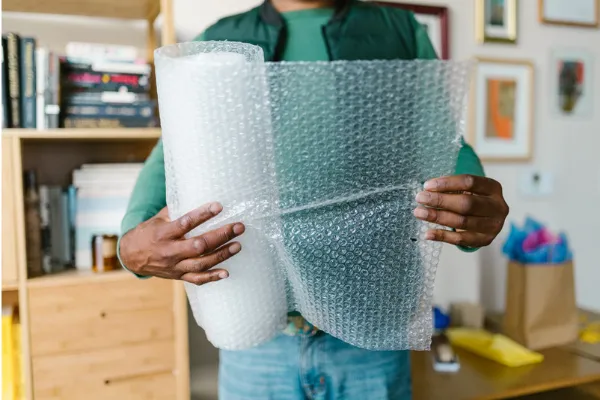
Lay a bath mat, a folded towel, a piece of faux fur, and a sheet of bubble wrap in a row on the floor.
Let your toddler cross them in bare feet while you hold a hand for balance, and ask which texture feels soft, rough, or cool.
Tape the edges down so nothing slides. This activity builds balance skills and body awareness along with touch, and it introduces different textures in a small, safe space.
Sight and Color Activities
Bright colors and moving light hold a toddler’s attention, and these four sensory activities build visual focus without any screens.
8. Sensory Bags
A sensory bag is a sealed plasttic bag your toddler can shake and watch.
Fill a clear plastic Ziploc bag with water, a few drops of food coloring, and a spoonful of glitter or a few ribbon strips, then seal the lid with strong glue and/or tape so it cannot come off.
Toddlers can shake, roll, and watch the swirls settle, and the slow movement can help a busy child pause and focus.
Related: How to Make Sensory Bags (The Easy Way)
9. Flashlight Play
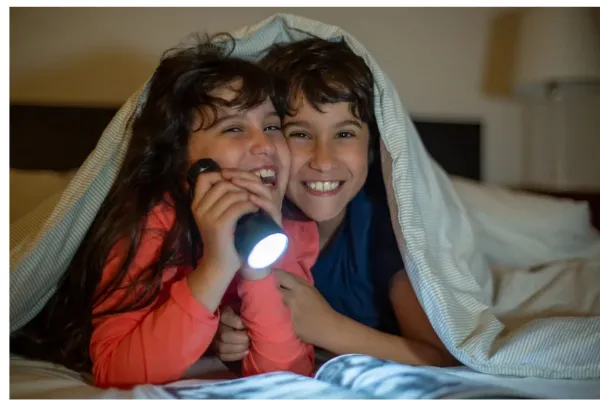
Dim the lights and hand your toddler a flashlight, then point it at the ceiling, a wall, or a white sheet and let them chase the circle of light.
Cover the lens with colored cellophane for a new look, and remind children to keep the beam away from faces.
10. Color Scavenger Hunt
Pick one color, such as red, and walk through your home or yard looking for it, dropping each find into a basket. Choose items too large to swallow, like a red sock or a plastic cup, and switch colors for each new round.
Naming each find helps your toddler link color words to real things, and the hunt adds a little movement to the day.
11. Window Clings or Suncatchers
For each color, mix 3 tablespoons of glue, 8 drops of food coloring, and 3 to 4 drops of dish soap in a bowl.
Brush the mixture onto a sheet protector in a shape or swirl, let it dry completely, then peel it off and press it onto a window.
Use a separate bowl for each color, and sunlight will make the finished clings glow. Glue, food coloring, and dish soap are not for eating, so stay close and keep kids from tasting the paint.
Sound Sensory Activities
Sound play helps toddlers notice rhythm, volume, and pattern, and these three ideas use things you already own.
12. Homemade Shakers
Fill empty plastic bottles with rice, dry pasta, or dried beans, and seal each lid with glue and tape. Make a few shakers with different fillings so every one sounds different, then ask your toddler which one is loud and which one is soft.
13. Pots and Pans Band
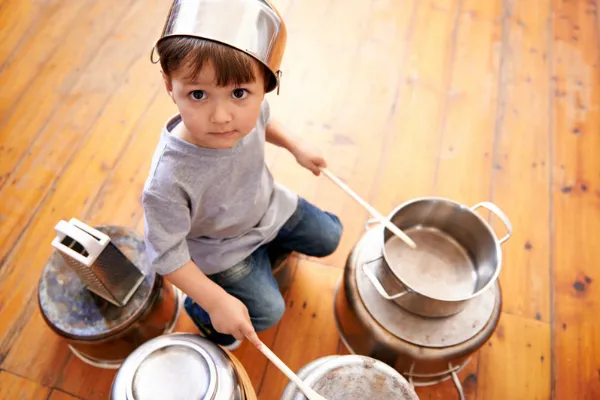
Hand your toddler a wooden spoon and set out pots, plastic bowls, and a baking sheet. Play along and copy their beat, then switch to a fast or slow pace and see if they follow.
A parade around the living room adds imaginative play and fuels creativity, but keep the volume comfortable for little ears.
(Editor’s note: Be prepared for an imminent headache later in the day with this one.)
14. Sound Matching
Fill pairs of opaque containers with the same material, such as rice in two and dry pasta in two, and seal the lids well. Shake one and ask your toddler to find the container that sounds the same.
This game builds listening skills and early matching skills, and it gives children a reason to notice quiet differences.
Smell and Taste Activities
Smell and taste work together, and toddlers often have strong opinions about both, so offer new scents and flavors with no pressure. Gentle sensory stimulation like this also gives children plenty to talk about.
15. Smelling Jars
Place a cotton ball with a drop of vanilla in one small plastic container, a strip of orange peel in another, and a pinch of cinnamon in a third. Poke holes in each lid and tape the lids shut, then let your toddler sniff each one.
Notice which scents bring a smile and which bring a frown, since children often show their opinions on their faces.
16. Herb Garden Touch and Smell
Plant basil, mint, and rosemary in small pots on a sunny windowsill, and show your toddler how to rub a leaf gently and sniff their fingers.
Let them help water the plants with a small cup.
This activity gives sensory input through touch and smell while teaching care for living things, and it invites sensory exploration that changes as the plants grow.
17. Taste Test Tray
Fill a muffin tin with soft foods that have different textures and flavors, such as banana, plain yogurt, cooked sweet potato, and soft pear.
Cut every piece to no more than half an inch, as the AAP advises, and let your toddler taste what they like and leave the rest.
Never force a bite, and stay seated with children throughout. Many of these foods also make a good starting point for a picky eater.
Related: 15 Picky Eater Lunch Box Ideas with Foods Your Kid Already Likes
Movement and Temperature Sensory Activities
Big body movement and cold temperatures round out the list with some of the most active sensory experiences.
18. Bubble Chasing
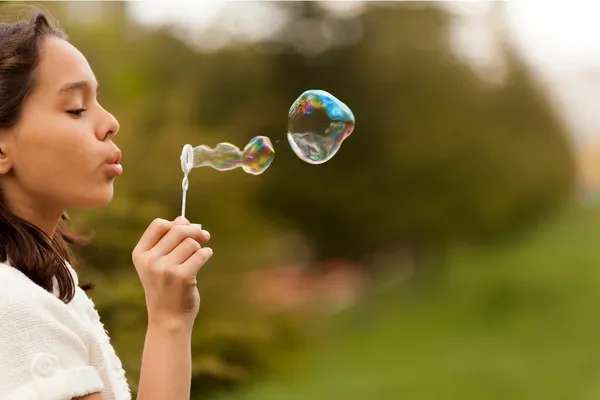
Blow bubbles outside and let your toddler chase, pop, and stomp them. Reaching and running build balance and coordination, and the game is great practice for gross motor skills.
Bubble solution is not for drinking, so keep the bottle out of reach between turns, since curious kids may try a sip.
19. Pillow Crash Pad
Pile couch cushions and pillows on a clear patch of floor, and let your toddler jump, roll, and flop onto the soft pile one at a time. Jumping and landing also work the body’s sense of movement and balance.
Keep the pile away from furniture edges and hard corners, and take turns if several kids play at once.
20. Ice Play
Break out the ice cubes and let your child use nontoxic finger paint to create large, colorful ice blocks. Then set them on a tray and let your toddler touch, slide, and watch them melt. Squirt a little warm water to speed things up.
Skip small chips, since they can end up in a mouth, and stay close during play.
Why Sensory Play Matters for Toddlers
Sensory play means any activity that engages a child’s senses, and squeezing, pouring, sniffing, and listening all count.
For young children, these hands-on moments are how learning happens, and kids build their understanding of the world one touch at a time.
Cleveland Clinic notes that sensory play supports language, fine motor skills, and social growth in early childhood.
Pouring water builds hand eye coordination, and jumping into a pile of pillows works the large muscles, which are your child’s gross motor skills.
Even a quiet activity can build fine motor skills, the small hand movements children later use for writing and zipping a coat.
Sensory play also supports cognitive development, since a toddler who watches ice melt is testing cause and effect.
That curiosity feeds creativity and steady sensory development over time. Sensory play ideas like these also give children words for what they feel, see, and hear.
Not every sensory experience feels good to every child, and that is normal. Some toddlers love messy play, while others dislike sticky hands, so let your child set the pace and stop when they show they are done.
Matching Sensory Play to Your Toddler’s Needs
Every toddler responds to sensory input in a different way. One child dives into finger paint, while another fusses over sticky fingers, and both reactions deserve respect.
Offer one new material at a time and let your child watch before touching. Add a spoon or scoop so they can play without touching a texture they dislike, and start sensory play with short, calm sessions.
Strong sensory sensitivities are worth a closer look, especially if your toddler’s reactions seem unusually intense or get in the way of daily life.
Cleveland Clinic explains that a pediatrician may refer a child with atypical sensory behavior to an occupational therapist, so mention your concerns at your next visit. Questions about sensory processing are worth raising early.
Related: Neurodivergent Stimming vs. Fidgeting
Tips for Setting Up Sensory Play at Home
You do not need a playroom or special gear for sensory play, since a baking sheet, a bath towel, and a few kitchen items cover most of this list. Lay a washable mat or an old sheet under messy play, and keep wipes close.
Rotate your sensory materials every few days to keep play fresh, and mix calm and active sensory experiences through the day.
Watch your toddler’s cues so you can end the activity when interest fades, and name what they see, hear, and feel as you play, because that talk builds vocabulary and language skills.
As your toddler grows into a preschooler, add counting, sorting, and color mixing to each idea. Preschoolers can help measure the flour or set up the sensory bin, and many preschoolers like to lead the game.
Most of these activities work for preschoolers with small changes.
Related: 18 Community Helper Preschool Activities Your Kids Will Love
Start With One Activity
Pick the activity that matches what you already have at home, watch how your toddler responds, and repeat what they enjoy. Simple sensory activities for toddlers, done safely, give young children plenty to explore.
Frequently Asked Questions
What are some good outdoor sensory activities for toddlers?
Water tables, bubbles, and sand digging are easy outdoor sensory activities for toddlers. Try a texture walk across grass, mulch, and smooth stones, or collect leaves and flower petals in a basket. Nature adds smells, sounds, and changing temperatures, and cleanup is easier outside. Stay close, and keep small rocks out of mouths.
What are some good sensory items for a 2-year-old?
Good sensory items for a 2-year-old include playdough, large measuring cups, sponges, scoops, and a shallow bin of rolled oats. Add soft fabric scraps, wooden spoons, and a sealed sensory bottle for sight and sound. Choose items too large to fit in a toddler’s mouth, avoid small parts, and supervise every session.
What are some fun 5 senses activities?
Match one activity to each sense. For touch, try playdough or a sensory bin. For sight, make a sensory bottle or play with a flashlight. For sound, shake homemade shakers. For smell, sniff scent jars with vanilla or orange peel. For taste, serve a tray of soft foods cut to half-inch pieces.
What are some calming sensory activities?
Calming sensory activities use slow, repetitive movement and soft input. Try a sensory bottle your toddler can watch settle, gentle water play with warm water, or a quiet sensory bin of rolled oats. Dim lights, slow music, and a soft blanket help too. Follow your child’s cues, and stop if they seem upset.