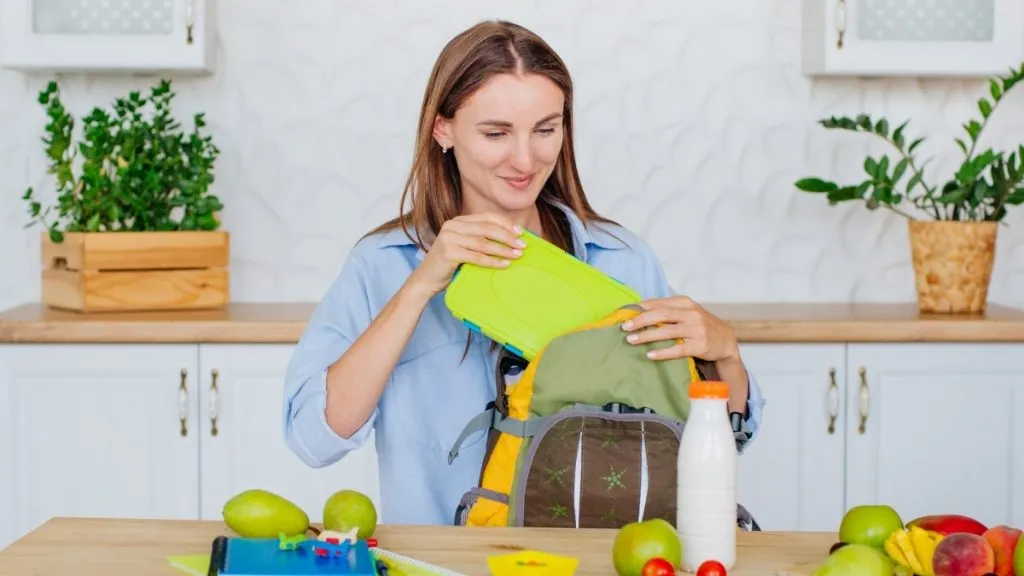
The best picky eater lunch box pairs one food your child already loves with a few small, low-pressure extras. Picture a favorite sandwich cut into squares, a handful of cucumber slices with dip, and one tiny new bite on the side.
This guide gives you 15 lunch box ideas built that way, plus a packing formula, food safety rules, and the signs that it is time to call your doctor.
Packing lunch for fussy eaters can feel like a daily guessing game. You pack something nice, and it comes home untouched.
A simple plan takes most of the guesswork out.
Why Lunch Is Hard for Picky Eaters
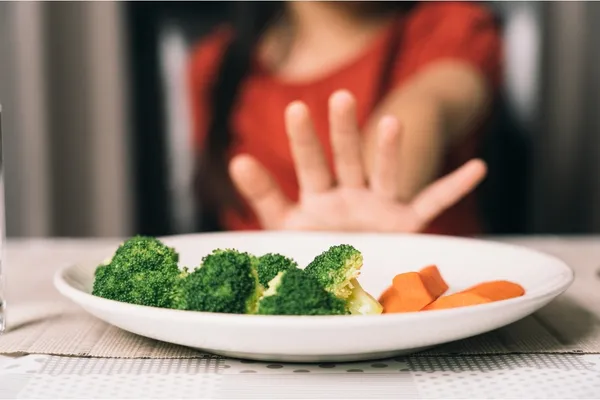
Picky eating is common for many preschoolers as they grow more independent, according to USDA’s MyPlate program. Lunch adds extra pressure. The cafeteria is loud, the clock is short, and no one is there to coax a bite.
That is why familiar foods win at school. Kids feel safe with foods they know, and a safe lunch is a lunch that gets eaten.
Your job is not to fix picky eating in one lunch box. It is to offer food that gets eaten, with room for small steps forward.
A Simple Formula for a Picky Eater Lunch Box
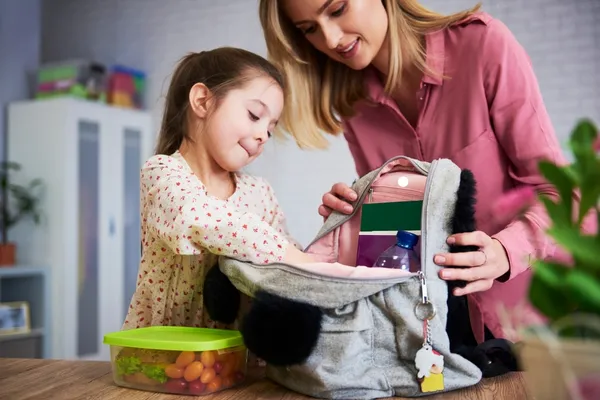
Every idea below follows the same five-part pattern. Use it to build your own lunch boxes once you know what your child likes.
- One safe food. Pick something your child eats every time, such as plain pasta, cheese, or a favorite sandwich.
- One fruit or vegetable they accept. Apple slices, cucumber slices, or berries all count.
- One protein or dairy item. Cheese sticks, deli meat, Greek yogurt, or a hard-boiled egg work well.
- One tiny “maybe” food. Add a single bite-size piece of something new or rarely eaten, next to foods your child knows.
- One dip. Ranch, hummus, yogurt dip, or ketchup can make an unfamiliar food feel less strange.
The “maybe” food is the quiet hero of this formula. USDA’s MyPlate advice is to serve a new food alongside a food your child already likes, and it notes that a child may need up to 12 tries to accept it.
Expect many untouched pieces. That is not failure. It is exposure.
15 Picky Eater Lunch Box Ideas
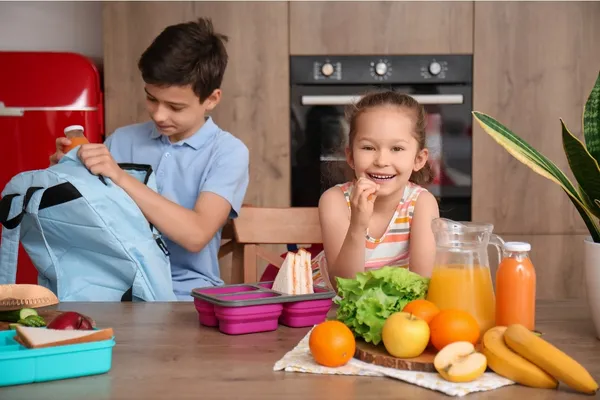
Each idea starts with a safe food and adds a small side. Swap in anything your child prefers. If your school is nut-free, use sunflower seed butter wherever you see peanut butter or nut butter.
Sandwich and Roll-Up Lunch Boxes
1. Peanut butter and banana sandwich box. Spread peanut butter on soft bread, add banana slices, and cut the sandwich into four squares. Add apple slices tossed with a little lemon juice to slow browning, plus a handful of pretzels.
2. Cream cheese and jelly sandwich box. A jelly sandwich with cream cheese is a nut-free option. Pair it with grapes cut lengthwise and a cheese stick.
3. Turkey and cheese slider box. Fill a mini roll with deli meat and a slice of cheese. Add cucumber slices with a small cup of ranch and a peeled mandarin orange.
4. Nut butter roll-up box. Spread nut butter on a tortilla, add a whole banana, roll it tight, and slice it into pinwheels. Pack berries on the side.
Cold Lunch Boxes With Familiar Foods
5. DIY lunchable box. Fill the compartments with crackers, cheese cubes, rolled deli meat, and fruit. Kids can stack their own bites, and the choice gives them a sense of control. Keep it cold with ice packs.
6. Pasta salad box. Toss cooled pasta with a little olive oil and shredded cheese. Add cherry tomato halves or peas as the “maybe” food, and keep any dressing in a separate cup.
7. Pizza bagel box. Top a mini bagel with sauce and cheese, bake it, and let it cool completely. Pack it with cucumber slices and a few strawberries.
8. Cheese quesadilla box. Cut a cheese quesadilla into wedges and send them cold. Add mild salsa for dipping and orange slices.
Breakfast-for-Lunch Boxes
9. Muffin box. Pack two mini muffins, such as banana or zucchini. Add a cheese stick and a handful of blueberries so the box has some protein.
10. Yogurt parfait box. Layer Greek yogurt and berries in one container, and pack granola in a separate small one. Your child can add the crunch right before eating, which keeps it from getting soggy.
11. Mini pancake box. Stack mini pancakes with a dip of nut butter or plain Greek yogurt. Add banana slices and a few grapes.
12. Egg and toast box. Pack a peeled hard-boiled egg, buttered toast cut into fingers, and cucumber slices.
Hot and Bento Lunch Boxes
13. Chicken nuggets thermos. Warm the thermos with hot water first, then fill it with hot chicken nuggets. Pack ketchup, applesauce, and carrot sticks in a separate bag.
14. Fun shapes bento box. Use a small cookie cutter to turn a sandwich, cheese slices, and melon into stars or hearts. A bento box with dividers also keeps foods from touching, which some kids prefer.
15. Rainbow dip box. Fill a bento box with red pepper strips, carrot sticks, cucumber slices, pretzels, and cheese cubes. Stir a little ranch seasoning into plain Greek yogurt for a dip that tastes like the ranch your child already knows.
How to Keep Lunch Safe Until Noon
A lunch can look perfect and still be unsafe by lunchtime. USDA’s tips for keeping packed lunches safe, as reported by Food Safety News, are simple to follow.
- Pack at least two ice sources with perishable food. Two frozen gel packs work, or you can pair one gel pack with a frozen juice box or water bottle.
- Use an insulated lunch bag and tell your child to keep it closed until lunch.
- Perishable food should not sit out for more than two hours, or one hour when the temperature is above 90 degrees Fahrenheit.
- Prepackaged combos with luncheon meat, cheese, and cut fruit still need to stay refrigerated, even if they contain preservatives. This includes your DIY lunchable.
Lunch Prep Habits That Save Your Mornings
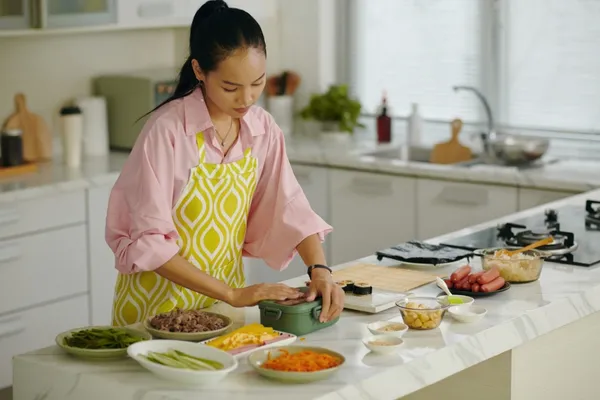
A few small habits make packing lunch for picky eaters much faster.
- Wash and cut sturdy produce, such as cucumbers and peppers, once or twice a week.
- Portion crackers, pretzels, and cheese cubes into small containers in advance.
- Pack the lunch box the night before, keep it in the fridge, and add the ice packs in the morning.
Letting your child help also pays off. Offer two choices, such as apple slices or grapes, and let them decide.
If your mornings need more structure, you can add “help pack lunch” as a step on a visual daily routine chart for kids.
Small Habits That Help Picky Eaters Try New Foods
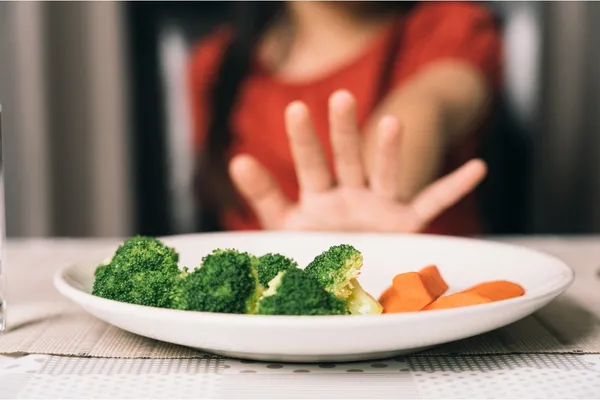
The American Academy of Pediatrics offers 10 tips for parents of picky eaters, and a few of them fit lunch boxes well.
- Skip the bribes and the pressure. The AAP warns that treats offered as a reward for eating other foods can make the treat more exciting and the target food feel like a chore. Pressure can also make kids dislike foods they might otherwise accept.
- Keep offering, quietly. The AAP says it can take 10 or more tastes before a toddler accepts a new food. A food that comes home untouched this week can go back in the box next week.
- Use dips and fun shapes. The AAP notes that toddlers tend to enjoy foods with a dip, and foods arranged in colorful, recognizable shapes can catch their interest.
- Build food bridges. Once your child accepts a food, try one with a similar color, flavor, or texture. For example, a child who likes mashed sweet potatoes may try mashed carrots.
Keeping lunch calm and pressure-free also fits well with how to be a gentle parent at the table, where connection matters more than winning a food battle.
When Picky Eating Is More Than a Phase

Most picky eating is normal. A Mayo Clinic child psychologist explains that extreme picky eating can be a disorder called avoidant/restrictive food intake disorder, or ARFID. In those cases, a child’s list of accepted foods is so short that they cannot maintain their body weight or they develop health problems.
Dr. Jocelyn Lebow advises watching your child’s growth curve. If your child keeps tracking where they have always tracked, that is a healthy sign.
If they lose weight or fall off their curve, talk to your doctor. She also warns against turning meals into a power struggle.
If you are worried about your child’s diet, call your pediatrician. You can also ask whether a registered dietitian could help.
Frequently Asked Questions (FAQs)
What are some good cold lunch ideas for picky eaters?
Try a DIY lunchable with crackers, cheese cubes, rolled deli meat, and fruit. Other options: pasta salad with shredded cheese, a cream cheese and jelly sandwich with grapes, or a cheese quesadilla cut into cold wedges with mild salsa. Pack two ice sources and an insulated bag so perishable food stays safe until lunch.
What are some good snacks to put in a lunchbox for a picky child?
Choose familiar, easy-to-eat snacks: apple slices, cucumber slices, cheese sticks, Greek yogurt, mini muffins, pretzels, or berries. Add a dip like ranch or hummus, since toddlers often enjoy dipping foods, per the AAP. Keep portions small, and add one tiny new bite beside a favorite. Keep yogurt and cheese cold.
At what age is picky eating the worst?
Picky eating is most common in the toddler and preschool years, roughly ages 2 to 5. USDA’s MyPlate says picky behavior is common in that range and usually fades before school age. The AAP ties it to toddlerhood, when growth and appetite slow down after infancy and kids start asserting their own preferences.
What can I put in a packed lunch instead of a sandwich?
Try pasta salad with shredded cheese, a DIY lunchable with crackers, cheese cubes, and deli meat, or a cold cheese quesadilla cut into wedges. Other options: a yogurt parfait with granola on the side, mini muffins with a cheese stick and berries, hard-boiled egg with toast fingers, or chicken nuggets in a warmed thermos.
Wrapping it Up
You don’t need all 15 ideas this week. Pick the one your child is most likely to eat, add a single tiny “maybe” food, and send it with a cold pack.
Then do it again tomorrow.
Picky eating usually eases with time, patience, and steady, pressure-free exposure.
Every lunch that comes home empty is a small win, and the untouched bites can go back in the box next week.
Sources
- MyPlate for Preschoolers: https://www.myplate.gov/life-stages/preschoolers
- AAP HealthyChildren, 10 Tips for Parents of Picky Eaters: https://www.healthychildren.org/English/ages-stages/toddler/nutrition/Pages/Picky-Eaters.aspx
- Mayo Clinic Minute on extreme picky eating: https://newsnetwork.mayoclinic.org/discussion/mayo-clinic-minute-how-to-deal-with-extreme-picky-eating-in-kids/
- Food Safety News report on USDA lunch safety tips: https://www.foodsafetynews.com/2024/08/back-to-school-keep-lunches-safe-until-its-time-to-eat/