

Updated 10/16/2026
Blended family challenges usually fall into five groups: divided loyalty, friction among step-siblings, clashing discipline, ex-partners, and money.
None of these means your family is failing. They mean two households with different rules and different histories are learning to share one roof.
This guide explains each challenge that blended families face, in plain terms. You will see why it happens, how it shows up day to day, and what parents can do about it.
Ready to roll? Let’s go!
Why Blended Families Feel So Hard at First
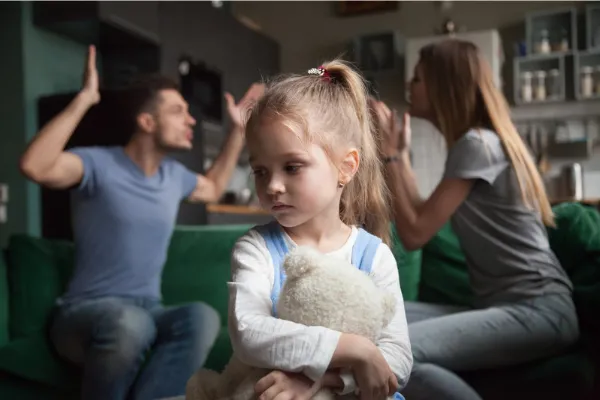
According to a 2023 Pew Research Center survey, 17% of U.S. children younger than 18 live in a blended family .
That count includes stepparents, stepchildren, and step or half siblings.
The gap is small. Stepfamilies can be happy, and many blended families are.
Still, blended family life starts differently from a first marriage. A first-time couple builds routines together from scratch, but in a blended family, every adult and child arrives with habits that already exist, and those habits often clash.
Most blended family problems start right here.
Many blended families never get a honeymoon period, and blending families means merging habits, not just addresses. Many stepfamilies find the first year hardest, and blended families that plan ahead cope better.
Children also get no vote. They did not pick the new adult, the new house, or the new siblings. That lack of choice sits underneath many of the problems in this guide.
Each new relationship in the house, from stepparent to step-sibling, starts from zero.
The Emotional Side of Blended Family Issues

Feelings drive most of what goes wrong in a new household, so they deserve attention first. Three areas cause the most trouble: grief and loyalty, rivalry between step-siblings, and the stepparent’s role.
Grief and Divided Loyalty
Most children in a blended family lost something before the new household began. A divorce, a separation, or a death came first.
Divorce rarely ends a child’s attachment to either parent. Many kids are still grieving their original family, even when they look fine on the surface.
Loyalty makes that grief harder. A child who likes a stepparent may feel like they are betraying their other parent. So they pull back, act cold, or pick fights with the very person who is trying to help.
Let children grieve before you ask them to celebrate. Say it out loud: “You can love all of us. You don’t have to pick.” Then listen more than you talk. A child’s relationship with their other parent is not up for debate.
A new relationship moves fast for adults and slowly for kids.
Related: How to Help Your Child Accept a New Relationship
Rivalry Between Step-Siblings
Sibling rivalry shows up in every home. In a blended home, it carries extra weight, because children are sharing space with people they barely know. Biological siblings share years of memories, while step-siblings start with none.
Fairness matters more than most adults expect. Kids notice who gets the bigger room, the later curfew, or the extra attention.
Apply the same rules to every child, and explain any difference by age instead of by bloodline. Fair treatment builds the relationship between step-siblings, one small decision at a time.
Also protect one-on-one time. Each parent should spend regular time alone with their own children, and each stepparent should find small ways to connect with each stepchild. A child who feels seen is less likely to compete.
The Stepparent’s Tricky Role
Stepparents carry a strange job, because they are expected to help raise children who may not want them in charge, and pushing too fast usually backfires.
Earn trust first and discipline later. Let the biological parent set the big rules while the stepparent builds the connection. Quiet consistency does more than any grand gesture. The stepparent-child relationship grows slowly, and it cannot be rushed.
The biological parent has a hard job too. You must back up your partner without brushing off your child’s feelings.
Your relationship with your child comes first, and your partner should hear that from you. That tension never fully disappears, so learn to live with it.
Related: How to Deal with Ungrateful & Entitled Stepchildren
Parenting and Discipline Problems

Rules are where good intentions meet daily life. Two areas need to be addressed early on: how the adults parent, and what the household rules actually are.
Different Parenting Styles
Two adults rarely parent the same way. When parenting styles clash, name the gap early. One may be strict while the other is relaxed, and children spot these differences within days.
Talk about parenting styles when the kids are not in the room. Agree on a short list of non-negotiables, such as safety, respect, homework, and bedtime. When children see a united front, they stop testing the gaps.
Parenting in two homes takes teamwork, and good parenting here means consistency, not perfection. Each parent should hold the line on the shared basics.
Parenting decisions should go to the biological parents first. A stepparent can enforce the rules, but the biological parent should usually set them.
Household Rules Across Two Homes
Children often move between homes, and each home has its own habits. You cannot control your ex’s house, but you can control yours. Shared parenting goals keep both homes pointed the same way.
Write down your family rules and post them where everyone can see them. Let the children help shape the list, because they follow rules they helped build.
Ask all family members to weigh in, then post the final version. Keep the rules few and clear, and let small differences between homes go.
Co-Parenting With Ex-Partners

After a divorce, routines change overnight, and children feel it. Your new family does not replace the old one. It sits beside it, and the adults on both sides still have to work together.
The goal is not friendship. The goal is a calm, steady setup for the kids.
Keep communication short, respectful, and about the children. Think of the relationship with your ex as a working partnership.
A parent who stays calm gives the children a steady model to follow. Never use a child as a messenger, and never criticize the other household in front of them. Kids hear more than adults think.
Scheduling takes real planning. Holidays, birthdays, school events, and trips all have to fit more than one household.
Write plans down early, because last-minute swaps create stress that children feel first. Many co-parenting apps let parents share calendars, track expenses, and keep messages in one place.
Related: 100 Blended Family Quotes That Prove Love Makes a Family
Holidays, Traditions & Weddings

Holidays can bring blended family dynamics into sharp focus. Two holiday dinners sound fun until the calendar says otherwise. Keep a few old family traditions and invent a few new ones, so no one feels erased.
Extended family members add another layer. Grandparents, aunts, and uncles may not know how to treat step-grandchildren. Tell them directly how you hope they will welcome everyone.
Weddings deserve the same care. A ceremony that includes the children tells them they are part of the new family, not guests at someone else’s event.
Related: 18 Hilarious & Heartwarming Blended Family Wedding Scripts
Money and Legal Questions

Money and legal questions rarely feel urgent until something goes wrong, which is why they are best settled early. This section covers budgets, inheritance, and the limits on stepparent rights.
Budgets and Child Support
Money fights strain any marriage, and blended families carry extra obligations. Each adult may already pay child support, tuition, or medical bills. Pretending those costs do not exist breeds resentment fast.
Sit down together and list every obligation. Decide what is shared and what stays separate.
Stepparents often end up covering costs for children who are not legally theirs, so choose on purpose how you will handle that before the bills force the question.
Fair does not always mean equal. One child may need braces while another needs a car repair. Explain your reasoning so no one feels cheated.
Estate Planning and Inheritance
Estate planning gets complicated when a family includes biological children, stepchildren, and a spouse. In many places, stepchildren have no automatic inheritance rights unless the stepparent adopted them.
Without a plan, state intestacy laws decide who inherits, and those laws usually favor a surviving spouse and biological children.
A will, a trust, and updated beneficiary designations on life insurance and retirement accounts can all help. An attorney who handles estate planning can explain which tools fit your state.
Related: Dealing with Stepchildren After Death of a Parent
Stepparent Rights
Here is a hard truth: stepparents usually have no automatic legal rights. Decisions about medical care, school, and visitation after a breakup often do not include them.
Court orders, legal paperwork, or stepparent adoption can change that, and the rules vary by state.
A prenuptial agreement can also set money boundaries before a remarriage, especially when children from previous relationships are involved.
This section is general information, not legal advice. A family law attorney in your state can give you answers that fit your situation.
When Counseling Helps
Waiting for a crisis is a common mistake, because counseling works best when it starts early.
Family therapy gives everyone a safe place to speak honestly. A trained therapist can help with conflict between step-siblings, stepparent roles, and communication breakdowns before they harden into habits.
Individual sessions help too, because kids and teens often struggle quietly and may not know how to say, “I feel like I don’t belong.”
Couple therapy deserves a mention as well. A strong couple relationship holds up the whole household, and a merged family puts it under extra strain.
Strong parenting starts with a strong couple. Some parents also use family counseling to work out a shared discipline plan.
Support groups offer a different kind of help. Hearing someone say “me too” eases the isolation many stepparents feel. Some groups focus on stepmothers, stepfathers, or stepchildren, so you can find one that fits.
What Successful Blended Families Do Differently
Successful blended families are not perfect. Stepfamilies that last share a few habits that any family can copy.
- They talk honestly and often, and they listen without rushing to fix things.
- They treat every child fairly, and they explain their choices.
- They go slowly, and they let positive relationships form on the child’s timeline.
- They check in with family members monthly and adjust the plan.
- They ask for help early, before small problems strain a relationship.
- They build a shared experience on purpose, with weekly dinners, game nights, or new holiday rituals.
Blended families do not outgrow their common challenges, because those challenges change shape as kids grow, schedules shift, and new relationships form. What helps is a steady plan and a team that keeps adjusting it.
Frequently Asked Questions
What is the failure rate of blended families?
No one knows for sure, and the popular claim that 60% to 70% of second marriages fail has no data behind it. Stepfamily author Ron Deal estimates that 45% to 50% of stepfamily couples divorce. Sociologist Wendy Manning found 31% of remarriages among women under 45 ended within five years. Stepfamily data remains limited and inconsistent.
What challenges do stepchildren face in blended families?
Stepchildren often face divided loyalty, grief over the family they lost, and pressure to accept people they did not choose. They adjust to new rules, new step-siblings, and sometimes two homes. Many feel like outsiders or worry about losing time with their parent. Patience, honest talks, and steady routines help them settle in.
What are the common challenges faced by blended families?
Common challenges include divided loyalty, step-sibling rivalry, clashing discipline styles, tension with ex-partners, and money strain from child support and shared costs. Stepparents often struggle with unclear roles and few legal rights. Most of these problems ease when parents communicate openly, agree on rules, and give children time to adjust.
Wrapping it Up
Every blended family has unique challenges. You may face grief, jealousy, money stress, and legal questions, sometimes in the same year. Each one is a normal part of building a new family, not a sign that you chose wrong.
Strong family relationships grow from small, repeated moments.
You do not need a perfect family. You need a steady one, built from honest conversations, one at a time.